
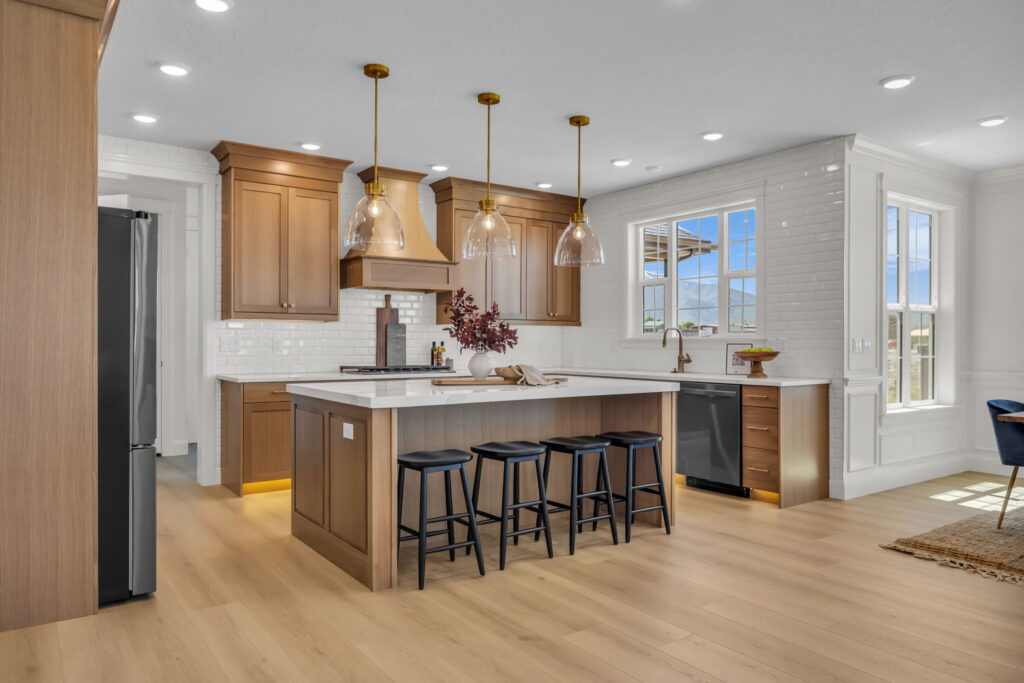
Understanding the utah county custom home builders process before you start saves you time, money, and a significant amount of stress. Most buyers come into custom home building with enthusiasm and a vision, but without a clear picture of how the process actually unfolds from first conversation to final walkthrough. That gap between expectation and reality is where most of the frustration in custom building originates.
At Nova Vista Properties, we have guided families through this process across Utah County for years. This guide lays out exactly what to expect, phase by phase, so you can move forward with confidence and clarity.
Why the Utah County Custom Home Builders Process Differs From Other Markets
Custom home building is never a one-size-fits-all process, and Utah County has its own distinct characteristics that shape how projects move from concept to completion. The county spans multiple cities, each with independent planning departments, different permitting timelines, and unique zoning frameworks.
Saratoga Springs, Eagle Mountain, Lehi, Spanish Fork, Mapleton, and Payson all handle new construction permitting at different paces and with different requirements. A builder who knows how to navigate Lehi’s process efficiently may still encounter surprises in Spanish Fork if the team lacks direct experience there.
Beyond permitting, Utah County’s terrain varies considerably. Flat valley lots in Eagle Mountain present entirely different site preparation considerations than hillside parcels in Mapleton. Soil conditions, drainage requirements, and utility access all vary in ways that affect timeline and budget.
This is why working with Utah County custom home builders who have genuine local experience is not just a preference. It is a practical advantage that affects every phase of the project.
Phase One: Initial Consultation and Vision Development
Every custom home project begins with a conversation, and the quality of that conversation sets the tone for everything that follows. In the initial consultation, a builder should be asking more than just how many bedrooms you want. The right questions cover how you live day to day, what your long-term plans are for the home, which features matter most versus which are flexible, and what your realistic timeline and budget look like.
At Nova Vista Properties, the initial consultation is where we build the foundation for the entire project relationship. We listen carefully to our clients. We share an honest assessment of what is achievable within the budget and location. And we also align expectations before any design work begins.
This phase typically takes one to two meetings and results in a shared understanding of project scope, preliminary budget range, and the general direction of the design.
Phase Two: Site Selection and Land Acquisition
For many buyers, site selection happens before a builder is even involved. But engaging a builder early in the land evaluation process can prevent costly mistakes. Not every lot is equally suitable for every home design, and factors that are easy to overlook during a casual site visit can become expensive problems once construction begins.
Key considerations during site evaluation include:
- Zoning classification and permitted uses
- Utility availability and connection costs
- Soil conditions and required foundation type
- Lot orientation and drainage patterns
- HOA restrictions or design standards
- City-specific setback and height requirements
- Impact fees, which vary significantly across Utah County cities
A builder with deep experience in the utah county custom home builders process will walk through all of these factors with you before you commit to a purchase. That guidance protects the land investment and ensures the lot will support the home you actually want to build.
Phase Three: Design Development and Architecture
Once the site is secured and project scope is established, the design phase begins. This is often the most exciting part of the process for buyers, and it is also one of the most consequential. Decisions made in design ripple through every subsequent phase, affecting cost, timeline, and construction complexity.
Working Through Preliminary Design
The design process typically starts with a schematic phase, where floor plan concepts, exterior elevations, and overall massing are developed. This is the time to explore ideas, test different approaches, and make sure the layout genuinely matches how your family intends to use the space.
Changes made during the schematic phase are relatively inexpensive. Changes made after construction documents are finalized cost significantly more, and changes made during construction cost more still. Moving through design thoughtfully and decisively is one of the most effective ways to protect both budget and timeline.
From Design to Construction Documents
After approving the schematic design, the team moves into design development and then construction documents. They translate every detail of the home into technical drawings and specifications that guide the entire build.
Construction documents need to address structural systems, mechanical layouts, electrical plans, plumbing routing, and finish specifications. The level of detail in these documents directly affects the accuracy of the final construction bid and the smoothness of the build process.
Phase Four: Permitting and Pre-Construction Planning
The permitting phase is one of the most commonly underestimated steps in the utah county custom home builders process. Buyers often assume permits are a formality. In practice, permitting timelines vary considerably across Utah County’s municipalities, and understanding how to navigate each city’s review process is a genuine competitive advantage.
Some cities in the county have implemented streamlined digital submission and review processes that move efficiently. Others require multiple rounds of review and in-person coordination. A builder who has worked repeatedly in a specific city knows what reviewers look for, how to address common comments proactively, and when to follow up to keep the process moving.
During the permitting phase, pre-construction planning also moves forward. This includes finalizing subcontractor selections, ordering long-lead materials, establishing the construction schedule, and preparing the site for work to begin.
Phase Five: Site Preparation and Foundation Work
Site preparation is where the project becomes physically real, and it is also where the quality of the pre-construction planning becomes apparent. A well-prepared site moves efficiently into foundation work. A poorly prepared site encounters delays and additional costs that can cascade through the schedule.
Site preparation typically involves clearing and grading, establishing temporary utilities, and preparing for foundation excavation. The required foundation depends on the lot’s soil conditions and the home’s design. Teams should determine and account for this during the design phase, not during excavation.
At Nova Vista Properties, we conduct thorough site assessments early in the process. We ensure foundation requirements are understood and budgeted accurately from the beginning.
Phase Six: Framing and Structural Construction
With the foundation complete, framing begins. This phase moves visibly and quickly, and many clients find it deeply satisfying to watch the structure of the home take shape. The framing phase establishes the skeleton of the entire home: exterior walls, interior partitions, floor systems, roof structure, and window and door openings.
The quality of framing work directly affects everything that comes after it. Walls that are plumb and square make finish work easier and produce better results. Structural connections that are correctly executed provide the strength and longevity the home needs over decades of use.
Utah County’s climate, which includes significant temperature swings and periodic seismic activity, makes structural quality particularly important. Building with those conditions in mind is a standard part of how experienced custom home builders approach every project in the region.
Phase Seven: Mechanical, Electrical, and Plumbing Rough-In
Once framing is complete, the mechanical, electrical, and plumbing trades move in to install rough-in systems. This phase happens before walls are closed in, and it establishes the infrastructure that powers and supports every system in the home.
The coordination required during this phase is significant. Mechanical systems need to be routed efficiently without conflicting with each other or with structural elements. Electrical layouts need to reflect the final fixture and appliance selections to avoid costly changes later. Plumbing needs to accommodate the bathroom, kitchen, and utility configurations specified in the design documents.
This is a phase where the quality of the builder’s subcontractor relationships becomes highly visible. Trades that have worked together repeatedly on a shared builder’s projects tend to coordinate more efficiently and produce cleaner, more reliable installations than unfamiliar crews encountering each other for the first time on a new job site.
Phase Eight: Insulation, Drywall, and Exterior Finish
After mechanical rough-in is inspected and approved, the project moves into insulation, drywall, and exterior finishing. Insulation selection affects long-term energy performance and comfort, and in Utah County’s climate, getting this right has real practical value year over year.
Drywall installation and finishing is one of the phases that most directly affects the perceived quality of the home. Tight, well-finished drywall produces smooth, clean surfaces that paint and interior finishes highlight beautifully. Sloppy drywall work creates visible imperfections that are difficult and expensive to correct after the fact.
Exterior finish work, including siding, stone, stucco, and trim, also progresses during this phase. The exterior is the home’s first impression, and it needs to be both visually compelling and properly detailed to perform well against Utah’s weather conditions over time.
Phase Nine: Interior Finishes and Fixture Installation
The interior finish phase is where the design vision fully materializes. Flooring, cabinetry, countertops, tile, paint, lighting fixtures, plumbing fixtures, hardware, and trim all come together during this phase to create the completed living spaces.
This is also one of the phases where client engagement is highest. Selection decisions made months earlier now manifest in physical form, and seeing the home come together is one of the most rewarding parts of the custom building experience.
Clear communication between builder and client remains essential during this phase. Questions arise, refinements happen, and keeping the project moving on schedule requires responsive coordination from the entire team.
Phase Ten: Final Inspections, Punch List, and Certificate of Occupancy
As the project nears completion, the final inspection phase begins. Municipal inspectors review the completed work. They compare it against approved plans and building codes. They confirm the builder has constructed everything correctly and safely.
A professional builder will conduct a thorough internal pre-inspection before scheduling the city’s final inspection, identifying and resolving any outstanding items proactively rather than discovering them during the official review.
Once inspections are complete, the punch list process addresses any remaining finish items, minor corrections, and last-touch details. This phase reflects the builder’s commitment to delivering a genuinely finished product, not just a structurally complete one.
Authorities issue the certificate of occupancy when the home passes all inspections. They confirm the home is ready for habitation. At that point, they hand over the keys and the homeowner experience begins.
What Makes Nova Vista Properties Stand Out in the Process
The utah county custom home builders process is the same sequence for every builder, but the experience of going through it varies enormously depending on who is managing the project. Communication, transparency, subcontractor quality, and proactive problem-solving make the difference between a build that feels like a partnership and one that feels like a constant struggle.
At Nova Vista Properties, we have built a team and a process specifically designed to deliver a clear, well-managed experience from the first consultation to the final walkthrough. We maintain long-standing relationships with trades who share our standards, we communicate proactively with clients throughout every phase, and we treat each project as the unique, personal endeavor it genuinely is.
As a leading custom home builder in Utah, Nova Vista Properties brings the regional knowledge, process depth, and client commitment that this market demands.
The National Association of Home Builders provides consumer guidance on the custom home building process, including recommendations for how buyers should evaluate builder qualifications and understand contract terms before committing to a project.
The Utah Division of Occupational and Professional Licensing maintains public records for all licensed residential contractors in the state, and verifying a builder’s license status is a straightforward, recommended step before signing any construction agreement.
When you are ready to move forward, connect with the Nova Vista Properties team to walk through your project in detail.
Frequently Asked Questions
How long does the utah county custom home builders process take from start to finish?
The full process, from initial consultation through certificate of occupancy, typically takes 18 to 24 months for most custom homes in Utah County. Design and permitting together can account for six to nine months of that timeline, depending on the project’s complexity and the specific city’s permitting pace. Construction itself generally runs 10 to 14 months once permits are issued and groundbreaking occurs.
When should I involve a builder in the land selection process?
Involving a builder before finalizing a land purchase is strongly recommended. An experienced builder can assess soil conditions, utility access, zoning compatibility, and site-specific cost factors that may not be obvious to a buyer without construction knowledge. Catching these issues before purchase prevents expensive surprises once the project is underway.
How are change orders handled during the custom home building process?
Change orders are formal, written modifications to the original construction agreement that document changes to scope, materials, or design and adjust the contract price accordingly. A reputable builder requires written approval before proceeding with any change order work. Understanding a builder’s change order policy before signing the construction agreement is an important part of protecting your budget.
What are impact fees and how do they affect my custom home budget?
Impact fees are charges assessed by municipalities to offset the cost of infrastructure required to support new development, including roads, utilities, schools, and parks. In Utah County, impact fee amounts vary significantly by city and can range from several thousand to over twenty thousand dollars depending on location and home size. These fees should be factored into the full project budget from the beginning.
What warranty coverage should I expect from a custom home builder in Utah County?
Standard custom home warranties in Utah typically cover workmanship and materials for one year, mechanical systems including HVAC, plumbing, and electrical for two years, and structural components for ten years. Ask for warranty terms in writing before signing the construction agreement. Also confirm how the builder submits and resolves warranty claims after move-in.
Moving Forward With Clarity and Confidence
Utah County custom home builders manage a substantial process. However, this process becomes one of the most rewarding projects a family can undertake when handled well. Understanding each phase, knowing what questions to ask, and working with a builder who communicates honestly and delivers consistently makes the entire experience far more enjoyable and far less stressful.
Nova Vista Properties has built a reputation as a leading custom home builder in Utah by doing exactly this work with integrity across every project. We know the county, we know the process, and we know how to guide clients from vision to completed home without the surprises that make custom building frustrating for so many buyers.
If you are ready to explore what the process looks like for your specific project, reach out to our team and we will walk through the details together.