
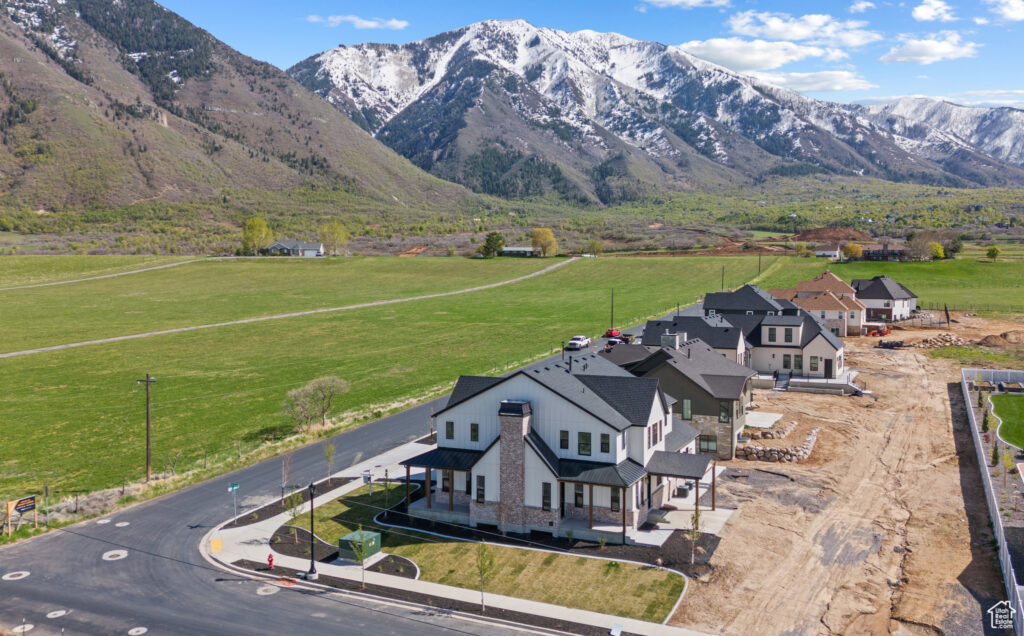
Custom home builders in Salt Lake City, Utah operate in one of the most land-constrained markets in the state. Buildable lots on the east bench are scarce, HOA and city design review requirements are more involved than in suburban Utah County, and construction costs reflect the local labor market. Knowing these realities before you start will save you significant time in builder selection and budget planning.
Why Salt Lake City Is a Distinct Custom Build Market
Land Availability and Lot Costs
Unlike Utah County or the St. George area, Salt Lake City and its immediate suburbs have limited undeveloped residential lots — particularly in desirable areas like the Avenues, East Bench, Millcreek, and Cottonwood Heights. Most custom builds in Salt Lake City involve teardown lots, infill parcels, or land in communities that require architectural review. Lot costs in these neighborhoods can run $300,000 to $600,000 before a single design hour is spent, which meaningfully shapes the total project budget.
Municipal Permit Timelines
Salt Lake City has more complex permitting requirements than many Utah County municipalities. Design review boards in certain neighborhoods can add 60 to 120 days to pre-construction timelines. If you’re working with a hard move-in date, build that buffer in from day one. Builders with Salt Lake City permit experience know which reviewers to engage early and how to structure submittals to avoid revision cycles.
Architectural Compatibility Requirements
Several Salt Lake City neighborhoods have design standards that govern exterior materials, rooflines, massing, and setbacks. A home that would be approved without issue in Lehi or Saratoga Springs may require significant design modifications to pass review in a Salt Lake City historic or conservation district. Work with a builder who has navigated these requirements before — guessing is expensive.
How to Evaluate Custom Home Builders for a Salt Lake City Build
The criteria for evaluating custom home builders in Salt Lake City, Utah should include Salt Lake-specific experience, not just a strong general portfolio. Ask directly: how many projects have they completed inside Salt Lake City limits in the last three years? Have they worked in the neighborhood you’re targeting? Do they have existing relationships with the subcontractors who work in that part of the valley?
What to Look for in a Portfolio
For Salt Lake City builds specifically, look for portfolio variety across architectural styles. The market includes everything from contemporary flat-roof homes in the Avenues to traditional brick Colonials in Holladay. A builder with range across styles has the design and trade relationships to execute what you want rather than steering you toward what they know how to build. Nova Vista’s completed projects show work across architectural styles and price points throughout the Salt Lake region.
Budgeting Realistically for a Salt Lake City Custom Build
Salt Lake City custom builds typically cost more per square foot than comparable Utah County projects. Higher land costs, tighter lot access (which affects material delivery and staging), and the premium that comes with in-demand subcontractors all contribute. Most buyers building in Salt Lake City should plan for $300 to $500 per square foot in construction costs, before land. For a thorough breakdown of what drives custom home building costs in Utah, including how Salt Lake compares to other markets, review the full cost guide.
Total project budgets for Salt Lake City luxury custom builds commonly fall between $1.2 million and $3 million, depending on location, size, and finish specification.
The Questions Most Buyers Don’t Ask
Beyond portfolio and pricing, two questions tend to separate good builder relationships from difficult ones:
- Who manages the project day-to-day? Some builders have dedicated project managers on every job. Others rely on the principal to juggle multiple sites. Know who your contact is and what their bandwidth looks like during your build window.
- What happens when something changes? Change orders are a normal part of any custom build. How a builder prices and documents changes tells you a lot about how the whole relationship will go.
Starting the Process
If you’re at the early stage of evaluating custom builders in Salt Lake City, the most useful first step is a direct conversation about your site, your program, and your timeline. Most reputable builders will tell you quickly whether your budget and expectations are aligned with market reality — and that honesty early saves everyone time. Contact Nova Vista to schedule a consultation.
Frequently Asked Questions
Can you build a custom home in Salt Lake City without a teardown lot?
It is possible but increasingly difficult. Most available buildable land within Salt Lake City proper involves either infill lots, teardowns, or land in planned communities on the city’s edges. Your builder or a local real estate professional who specializes in lots can help you identify viable parcels.
How much does it cost to build a custom home in Salt Lake City, Utah?
Construction costs typically range from $300 to $500 per square foot in the Salt Lake City market, not including land. Total project costs commonly run between $1.2 million and $3 million for luxury custom builds in desirable neighborhoods.
How long does custom home permitting take in Salt Lake City?
Standard residential permits can take 6 to 12 weeks. Projects in design review or historic districts can add another 60 to 120 days. An experienced builder will build this into your timeline from the start.
Do I need an architect or does the builder provide design services?
This varies by builder. Some custom builders have in-house design or architecture services. Others work with a network of preferred architects. Clarify early whether design fees are included in your builder’s contract or billed separately.
What neighborhoods in Salt Lake City are best for custom home builds?
East Bench neighborhoods including Millcreek, Cottonwood Heights, and the upper Avenues have strong demand for custom builds. Holladay offers larger lot sizes at prices below the immediate east bench. Each area has different design standards and lot availability, so your builder’s familiarity with your specific target neighborhood matters.