
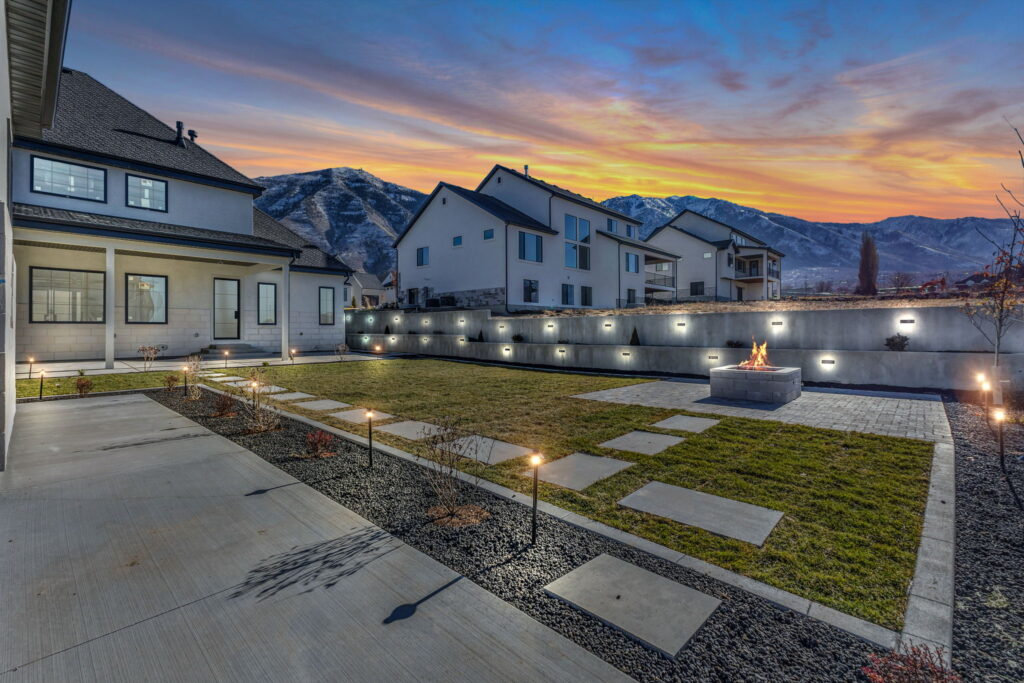
You’re planning to build a custom home in Park City. Promontory. Deer Valley. Glenwild. Jeremy Ranch. Pinebrook. These mountain communities offer stunning views and incredible lifestyle. But they present unique building challenges.
Building in mountain terrain requires specialized expertise. A custom home builder Park City mountain terrain engineering capability determines whether your home is built properly or faces problems for decades.
Many builders with experience in flat Utah County development lack mountain building expertise. They might not understand slope management, drainage challenges, or how mountain terrain affects foundation design. That lack of experience creates problems.
Understanding what custom home builder Park City mountain terrain engineering involves helps you choose the right builder. It ensures your home is designed and built appropriately for your challenging site.
Understanding Mountain Terrain Challenges
Mountain terrain presents challenges flat-land builders might never encounter. A custom home builder Park City mountain terrain engineering expertise starts with understanding these challenges.
Slopes affect everything. Foundation design must accommodate slopes. Drainage must work with gravity and terrain. Structures must resist lateral loads from slopes. Site access and construction logistics are complicated by slopes.
Soil conditions vary dramatically in mountain areas. Mountain soil might be shallow over bedrock. It might have unstable layers. It might have poor drainage characteristics. These conditions affect foundation design and costs.
Vegetation in mountain terrain affects site preparation. Mature trees on slopes provide aesthetic value but complicate building. Removing trees affects drainage and erosion patterns. Preserving trees requires careful planning.
Winter weather in mountain communities creates additional challenges. Snow load affects roof design. Freeze-thaw cycles affect foundations and drainage. Icing affects construction timing. A custom home builder Park City mountain terrain engineering expertise accounts for these seasonal factors.
Foundation Design for Mountain Terrain
A custom home builder Park City mountain terrain engineering capability is most evident in foundation design.
Sloped terrain requires different foundation approaches than flat land. Stepped foundations follow the slope. They work with terrain rather than fighting it. This design is more cost-effective and works better with mountain conditions.
Pier and beam foundations work well on slopes. They elevate the home above ground. They allow drainage to flow beneath the home. And they provide access for future maintenance. Many mountain homes use this approach.
Cut-and-fill approaches work for some mountain lots. You cut into the slope and use fill on the downhill side to create level building pads. This approach requires careful engineering to ensure stability.
A geotechnical engineer assesses your specific mountain lot. They recommend appropriate foundation approaches. A builder experienced with mountain terrain knows when to hire engineers. He understands which approaches work best for different slope conditions.
Drainage and Water Management
Water management is critical on mountain slopes. A custom home builder Park City mountain terrain engineering expertise includes sophisticated drainage design.
Mountain slopes naturally direct water downhill. Your foundation, landscape, and home structure must manage this water flow. Improper drainage leads to foundation problems, erosion, and damage.
Perimeter drains around foundations direct water away from the home. French drains manage surface water. Swales and berms guide water safely. Proper grading ensures water flows away from structures.
Retaining walls stabilize slopes and manage water. Terraced landscaping prevents erosion. Drainage systems behind retaining walls prevent water pressure buildup that causes failure.
A builder without mountain experience might overlook these drainage considerations. A builder with custom home builder Park City mountain terrain engineering expertise designs comprehensive drainage systems. These systems prevent problems for decades.
Site Access and Construction Logistics
Building on a mountain slope presents logistical challenges. A custom home builder Park City mountain terrain engineering capability includes planning construction logistics.
Access for construction vehicles is limited on slopes. Heavy equipment can’t easily navigate steep terrain. Construction material delivery requires planning. Construction sequencing differs from flat-land building.
Building pads must be created before construction begins. Equipment parking areas must be established. Utility temporary services must be located. A builder without mountain experience might underestimate these logistical challenges.
An experienced mountain builder plans logistics carefully. He understands equipment limitations. He designs access roads and construction areas efficiently. And he sequences work to work with terrain constraints.
Snow Load and Winter Weather Engineering
Park City mountain terrain brings significant snow loads. A custom home builder Park City mountain terrain engineering expertise addresses snow and winter weather.
Roof design must handle snow loads. Mountain communities receive more snow than lower elevations. Roofs must support that weight. Roof pitches and structural capacity must account for snow loads.
Eaves and overhangs must be designed to shed snow appropriately. Improperly designed overhangs accumulate snow and create ice dams. Icicles become hazards. Proper design prevents these problems.
Freeze-thaw cycles affect construction materials and foundations. Water that gets into cracks freezes and expands. This movement can damage structures. Proper sealing and drainage prevent freeze-thaw damage.
Retaining Walls and Slope Stabilization
Many mountain homes require retaining walls. These structures stabilize slopes and prevent erosion. A custom home builder Park City mountain terrain engineering expertise includes retaining wall design.
Retaining walls must be engineered to handle soil pressure. They require proper drainage. They need appropriate foundations themselves. Poorly designed retaining walls fail, causing property damage.
A geotechnical engineer designs retaining walls. A builder with experience knows when walls are needed. He knows how to construct them properly. He understands maintenance requirements.
Terrace landscaping creates level areas on slopes. Multiple small retaining walls work better than one large wall. This approach is more stable and more aesthetically appealing.
Forest and Vegetation Management
Mountain lots often have trees. A custom home builder Park City mountain terrain engineering expertise includes understanding how trees affect building.
Large trees provide shade and aesthetic value. But they complicate foundation work. Their roots can affect drainage. They block sunlight from solar systems. Their canopies redirect water onto structures.
Strategic tree preservation works better than removing all trees. Keep trees that provide value. Remove trees that complicate building or create problems. A builder with mountain experience makes these decisions thoughtfully.
Removing trees affects drainage patterns and erosion. Replanting and erosion control must address removed vegetation. A thorough grading plan accounts for vegetation changes.
Utility Installation on Mountain Terrain
Installing utilities on slopes requires specialized approaches. A custom home builder Park City mountain terrain engineering expertise includes utility planning.
Water lines must be buried below frost line. On slopes, frost line depth varies. Water lines must have proper support and drainage. Utility trenches on slopes require specialized excavation.
Sewer lines must have proper slope for gravity flow. On steep terrain, this requires careful design. Septic systems on slopes require additional engineering. A builder without experience might not plan utilities properly.
Electrical and gas lines require conduit protection on slopes. Shifting terrain can damage underground utilities. Proper installation prevents failures.
Geotechnical Engineering on Mountain Lots
Professional geotechnical engineering is often necessary for mountain building. A custom home builder Park City mountain terrain engineering expertise includes knowing when to hire engineers.
A geotechnical engineer assesses soil conditions. He determines bearing capacity. He identifies unstable layers. And he recommends foundation approaches. His recommendations guide foundation design and costs.
Slope stability analysis determines whether slopes will remain stable. It identifies potential slide risks. It recommends stabilization approaches if needed.
Experienced mountain builders work with geotechnical engineers routinely. They understand their recommendations. They implement them properly.
Comparative Lot Costs in Mountain Terrain
Mountain terrain affects lot preparation and building costs. A custom home builder Park City mountain terrain engineering capability includes accurate cost estimation.
A flat lot in Lehi might need minimal site preparation. A mountain lot in Promontory might require extensive work. Site clearing, grading, and drainage systems cost money.
Foundation costs vary by terrain. Simple slab-on-grade is inexpensive. Engineered pier and beam systems cost more. Specialty mountain foundations cost even more.
Understanding these cost implications helps you budget accurately. Ask your builder to break down site-specific costs. Understand what your terrain requires.
Environmental Considerations on Mountain Lots
Mountain building involves environmental considerations. A custom home builder Park City mountain terrain engineering expertise includes environmental stewardship.
Erosion control during construction prevents sediment runoff. Replanting prevents slope erosion. Water quality protection requires careful construction practices.
Wildlife habitat considerations affect where you can build. Some areas have protected species. Building near water sources might have restrictions.
A builder who respects environmental considerations does the right thing. He follows regulations. He protects mountain ecosystems.
Working With a Park City Mountain Terrain Specialist
A custom home builder brings specialized knowledge to your mountain project.
An experienced mountain builder knows local terrain. He understands Promontory slopes differently than Glenwild slopes. He anticipates challenges specific to each community. And He has established relationships with local engineers, excavators, and specialists. These relationships ensure quality work on your mountain site.
He plans mountain projects realistically. He accounts for terrain challenges. And he builds realistic timelines and budgets.
Building Your Mountain Dream Home
Mountain terrain requires different building approaches than flat land. A custom home builder Park City mountain terrain engineering expertise ensures your home is built appropriately.
Choose a builder with mountain experience. Ask about specific projects on mountain slopes. Visit homes they’ve built on challenging terrain. See how well they handled slope challenges.
Schedule a consultation to discuss your mountain lot. An experienced builder will assess your terrain and discuss appropriate approaches.
According torecent data from the U.S. Census Bureau on residential construction in mountainous areas, mountain homes built by experienced builders with custom home builder Park City expertise have significantly fewer problems than those built by builders lacking mountain experience. Mountain building expertise matters.
Frequently Asked Questions
What makes mountain terrain building different from flat-land building?
Mountain slopes require specialized foundation design, sophisticated drainage systems, and careful site access planning. Snow loads are higher. Terrain challenges are greater. Builders need expertise specific to mountain conditions. Geotechnical engineering is often necessary.
How much does mountain terrain add to building costs?
Site preparation, foundation engineering, and drainage systems cost significantly more on slopes than flat land. Costs might be 15-30% higher depending on slope steepness and soil conditions. Get specific estimates for your lot before committing.
Do I need a geotechnical engineer for my mountain lot?
Usually yes. Geotechnical engineers assess soil conditions, determine bearing capacity, and recommend appropriate foundations. Their expertise prevents expensive problems. The cost of engineering (typically $2,000-$5,000) prevents far greater costs from foundation problems.
How does snow load affect my mountain home design?
Mountain homes receive more snow than lower elevations. Roofs must support greater weight. Structural capacity must increase. This affects roof pitch, beam spacing, and overall structure cost. A builder familiar with local snow loads designs appropriately.
What’s the most important consideration when building on a mountain slope?
Proper drainage. Water management is critical. Improper drainage causes foundation damage, erosion, and structural problems. Comprehensive drainage design prevents decades of problems. Every mountain home needs sophisticated drainage planning.